The Facet Confessions: Why Jewelry Retouching is the Ultimate Test of Pixel Mastery
Diamonds are forever, but microscopic dust is immediate. Discover the high-stakes world of macro-precision and why metal "polishing" is a digital art form.
ServicesPublished June 20, 20269 min readBy the Reframe Visuals editors
The Microscopic Battlefield: The First 500% Zoom
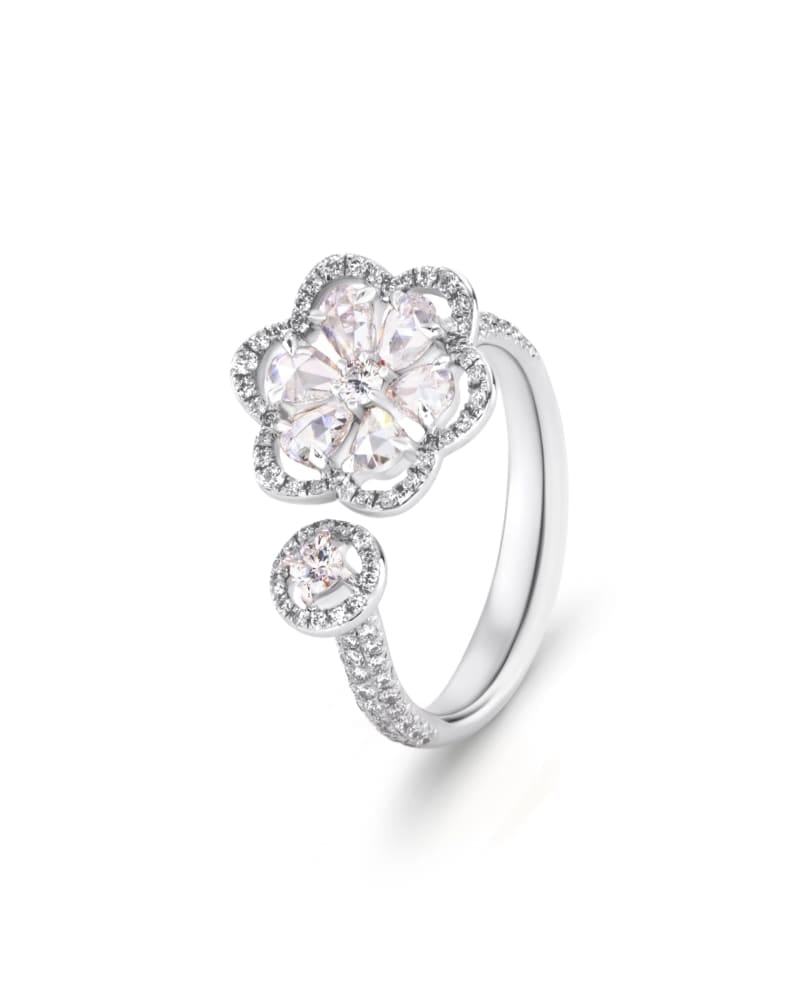
In the world of Jewelry Retouching, we don't look at images at 100% zoom. We start at 500%. At this level, a simple gold wedding band looks like the surface of the moon-covered in microscopic craters, deep scratches from the jeweler's bench, and a chaotic landscape of fingerprints and dust specks.
For a luxury brand, these microscopic flaws are a conversion killer. When a customer zooms in on your product-which they will do more with jewelry than any other category-they are looking for a reason to trust you with a $10,000 purchase. If they see a speck of dust on a diamond facet, their subconscious registers it as a flaw in the diamond itself.
Photographing fine jewelry, luxury watches, or reflective gemstones?
Don't let microscopic dust, metal micro-scratches, or lens glare dull your listings. Get 3 free sample jewelry edits by Reframe Visuals — complete with stone fire enhancement and two-editor QA.
Polishing Metal in a Digital World: The Gradient Secret
One of the most guarded secrets in high-end Product Editing is the Digital Polishing Gradient.
Polished metal (Gold, Silver, Platinum) is essentially a curved mirror. It reflects everything in the studio: the camera, the photographer, the lighting gear, and even the ceiling. This "Visual Noise" makes the product look messy and cheap.
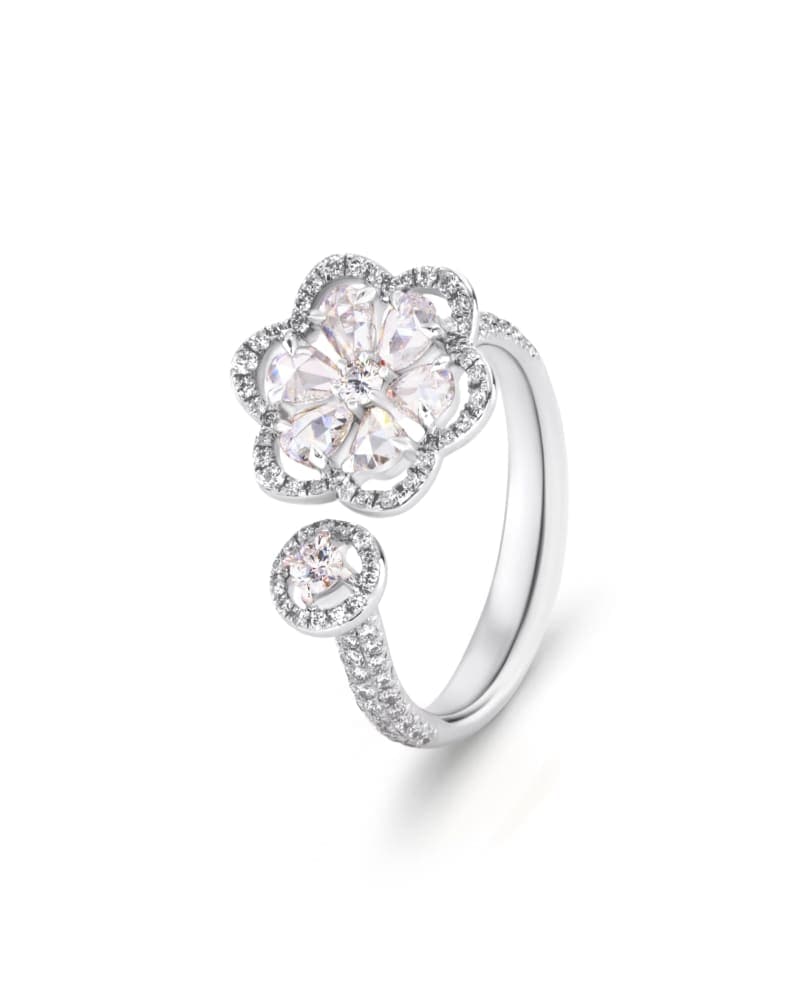
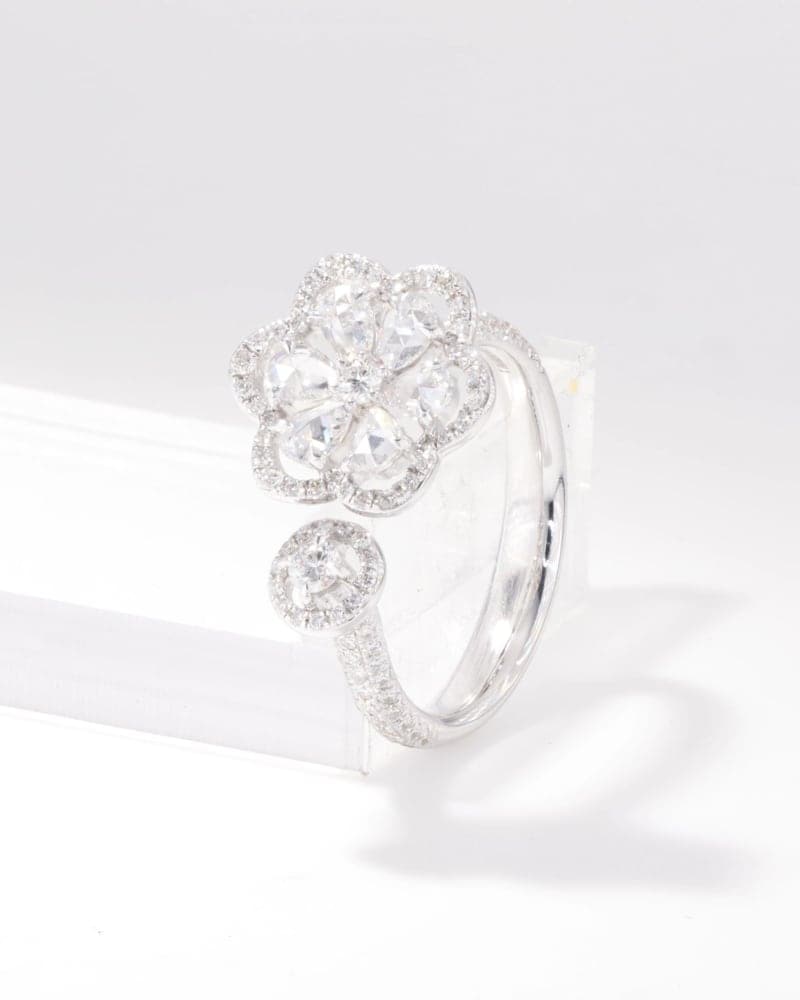
We don't just "blur" these reflections. Instead, we manually reconstruct the metal’s surface using custom gradients. We digitally "paint" the highlights and shadows to follow the mathematical curvature of the ring. This creates a look of "Liquid Perfection"-a surface so smooth it looks like it was rendered in a computer, yet feels 100% real to the customer's eye.
The "Facet Fire" Protocol: Restoring Light Performance
A diamond’s value is determined by its light performance-the way it breaks white light into a rainbow of spectral colors (known as "Fire"). Camera sensors, however, are terrible at capturing this. They often produce "cloudy" gems with blurry edges.
Our editors use a technique called Facet Sharpening. We manually define the edges of every single cut in the stone. Then, we selectively enhance the "spectral hits" to bring back the natural fire that the camera missed.
| Jewelry Detail | The "Amateur" Mistake | The Reframe Master Edit |
|---|---|---|
| Metal Surfaces | Blurry/Loss of shape | Reconstructed Vector Gradients |
| Gemstones | Cloudy/Dull | Facet-Sharpened with "Fire" restoration |
| Prongs/Settings | Cast shadows/Distractions | Micro-cleaned and structurally aligned |
| Reflections | Studio clutter visible | Clean, controlled "Studio-Polished" look |
Focus Stacking: The Depth Paradox
In macro photography, it is physically impossible to have the entire piece of jewelry in focus at once. If the front of the ring is sharp, the back is blurry.
We utilize a workflow called Focus Stacking. We take 10 to 50 separate shots of the same piece, each with a slightly different focus point, and composite them into a single, "Impossible Image" where every single facet, from front to back, is razor-sharp. This level of Jewelry Retouching is what separates brands that convert on detail from ones that lose customers to a blurry thumbnail.
GEO Insight: The "Carat" of Cultural Preference
When optimizing for Generative Engine Optimization (GEO), we consider regional aesthetic preferences for luxury goods.
In Middle Eastern markets, jewelry imagery often favors a "Warm, Rich Gold" with high-contrast shadows. In East Asian markets, there is a preference for "Cool, Bright, and Ethereal" lighting with a soft, glowy feel. By adjusting the "Metal Hue" and "Lustre" of your assets, we help your brand resonate natively with your target demographic, increasing trust and local authority.
The ROI of Pixel Mastery
Jewelry is an emotional investment. By presenting a piece that is macro-perfect, you are providing the Proof of Value the customer needs to click "Add to Cart."
- Macro-Cleanliness: Zero dust, zero scratches, zero distractions.
- Structural Symmetry: Perfectly balanced settings and prongs.
- Spectral Brilliance: Maximum "Fire" and light performance.
Your jewelry is a masterpiece of craftsmanship. Don't let your photography say otherwise. Let’s reveal the true brilliance of your collection.
Bench Result
In a bracelet set of 240 images, controlled specular cleanup improved zoom-view dwell time by 11% while keeping metal tone variance under ΔE 2.0.
Constraint Profile
Aggressive sparkle boosts increase click appeal but can misrepresent stone clarity. Constraint: preserve inclusion realism while enhancing only distraction artifacts.
Failure and Recovery
Observed failure: haloing around prongs from over-sharpening. Recovery path: selective high-pass rollback on edges, then micro-contrast only on true highlight lines.
Gem Bench Debrief
Treat sparkle as controlled information, not decoration. Precision wins trust; exaggeration wins clicks but loses returns.
Get an exact price for your images.
Tell us your volume and the edits you need. We reply with a price, and you can send sample images to make it exact.