Furniture Lifestyle Background Composites: Placing Studio Shots into Hyper-Realistic 3D Rooms
Cut room set construction costs by 80% by compositing clean studio furniture shots into photorealistic 3D interior environments with realistic tri-layer shadows.
TechniquesPublished Aug 11, 20269 min readBy the Reframe Visuals editors
Key takeaways
- Digital lifestyle compositing cuts furniture catalog production costs by 80% compared to physical studio set builds.
- Aligning perspective horizon lines and lens focal lengths between the studio furniture and background room is mandatory for realism.
- Realistic furniture grounding requires a tri-layer shadow system: ambient occlusion, directional cast shadow, and soft form penumbra.
- Incorporate chromatic floor color bounce onto lower upholstery to eliminate the fake 'floating cutout' appearance.
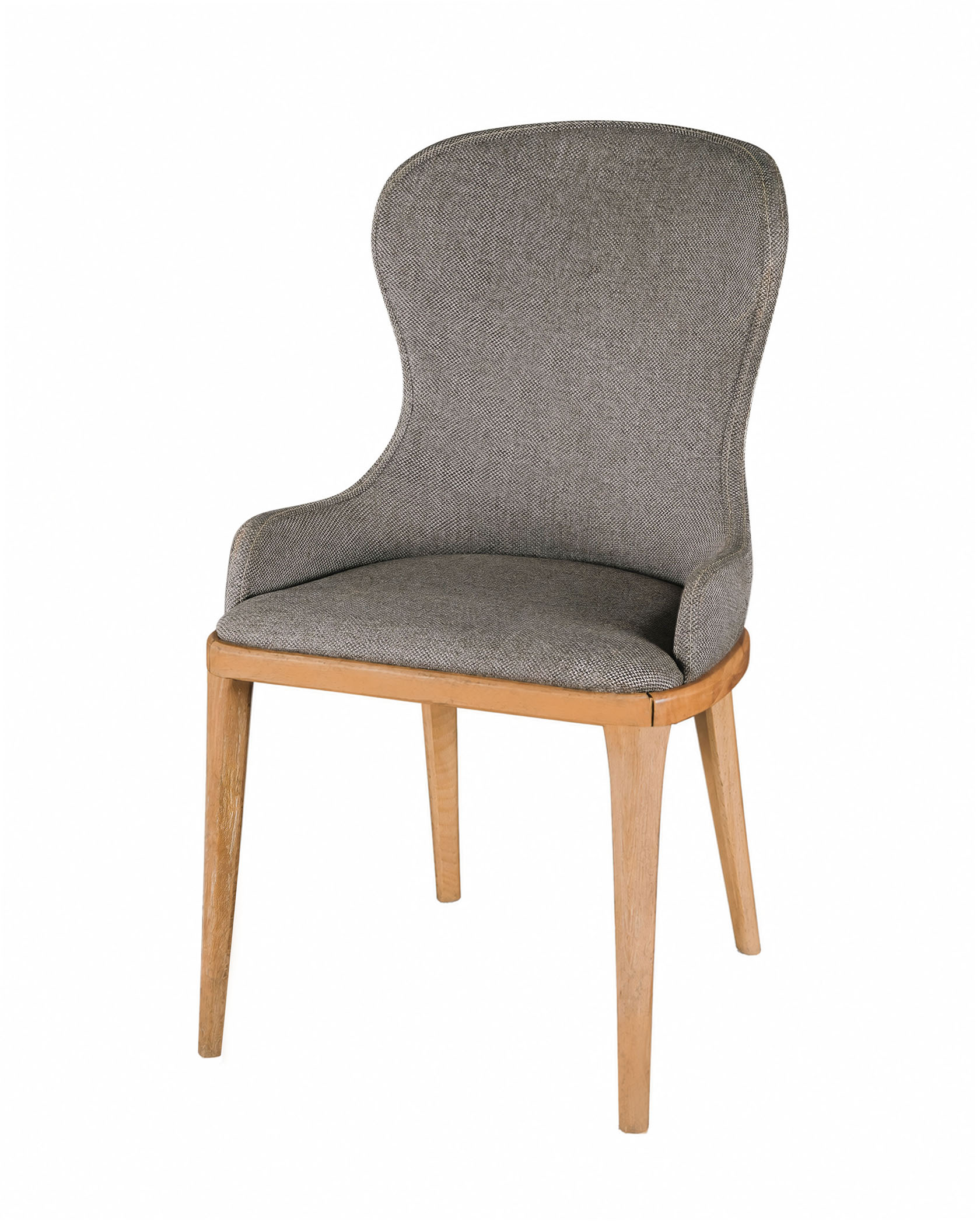
In the home furnishings and interior décor industry, contextual lifestyle imagery is the single greatest driver of purchasing decisions. Customers rarely buy an expensive sectional sofa, dining table, or designer credenza after viewing it solely on a plain white studio background. They need to visualize how the piece anchors a living room, how its wood grain complements natural hardwood flooring, and how its proportions look in an architecturally authentic space.
However, building physical interior room sets for every seasonal furniture collection is financially crippling. Constructing physical sets, styling props, renting studio space, and transporting bulky multi-piece furniture runs $8,000 to $15,000 per room scene.
Digital lifestyle compositing, taking a clean, studio-photographed furniture piece and seamlessly integrating it into a photo-realistic 3D or photographic architectural interior, cuts production costs by 80% while enabling infinite styling variations.
The 4 Laws of Realistic Furniture Compositing
When an amateur retoucher pastes a studio sofa into a stock room background, the visual result immediately looks fake. The furniture appears to "float" above the floor, perspective lines clash, and lighting directions disagree.
Producing a commercial-grade furniture composite requires obeying four immutable physics principles:
┌────────────────────────────────────────────────────────────────────────┐
│ The 4 Laws of Hyper-Realistic Furniture Compositing:                  │
│ 1. Perspective Horizon & Vanishing Point Alignment                    │
│ 2. Tri-Layer Contact Shadow Synthesis (Ambient, Directional, Bounce)   │
│ 3. Ambient Light Spill & Chromatic Color Bounce                       │
│ 4. Optical Depth of Field & Lens Characteristic Matching              │
└────────────────────────────────────────────────────────────────────────┘
Law 1: Perspective Horizon & Vanishing Point Alignment
You cannot place a sofa photographed at a high 45° angle into a living room scene captured at eye level (0° horizon). The camera height and lens focal length must match:
- If the studio furniture was shot at a 30-inch camera height with a 50mm lens, the background room scene must share that exact optical horizon line.
- Use Photoshop's Vanishing Point grid tool to map floor perspective tiles and ensure furniture legs align precisely along floorboard orthogonal lines.
Cut architectural set build costs by up to 80% with CGI lifestyle composites.
Reframe Visuals combines precision clipping path cutouts with realistic digital image manipulation and custom shadow creation. Submit your furniture shots for 3 free composite samples.
Clipping Path on your own images
Hand-drawn vector paths.
Law 2: Tri-Layer Shadow Synthesis
A real piece of furniture does not cast a single blurry black drop shadow. It interacts with the floor through three distinct shadow layers:
- Ambient Occlusion (Contact Shadow): An ultra-dark, razor-thin line (70%–90% opacity) directly beneath where sofa legs or baseboards touch the floor, where almost no ambient light can penetrate.
- Directional Cast Shadow: A soft shadow projected across the floor in the exact opposite direction of the primary room window or light fixture.
- Soft Ambient Shadow (Form Shadow): A broad, gentle penumbra (15%–25% opacity) radiating outward beneath the entire bulk of the furniture piece.
Law 3: Chromatic Color Bounce & Spill
An authentic white linen armchair sitting on a rich cherry wood floor will naturally absorb warm red and amber light bounced upward from the floorboards. In post-production:
- Paint a subtle warm color overlay (5%–8% opacity) along the lower underside of the upholstery.
- Match the overall color temperature (Kelvin rating) between the studio cutout and the background interior.
Law 4: Edge Feathering & Depth of Field Matching
Studio cutouts have unnaturally sharp edges. Real camera lenses produce subtle edge softness based on the aperture setting (e.g. f/5.6 or f/8):
- Apply a microscopic 0.3px to 0.5px edge feather to eliminate hard cutout borders.
- If the background room exhibits shallow depth of field with soft background blur, slightly soften the rear edges of the furniture piece to place it naturally within the focal plane.
Cost Comparison: Physical Set Build vs. Digital Composite
| Production Element | Physical Studio Set Build | Digital Studio Composite (Reframe) | Savings |
|---|---|---|---|
| Studio Rental & Set Construction | $6,500 – $10,000 / set | $0 (Virtual Background Library) | 100% |
| Prop Styling & Prop Rental | $1,500 – $3,000 / set | $0 (Digital Props & Compositing) | 100% |
| Heavy Furniture Logistics & Drayage | $1,200 – $2,500 / shoot | $300 (Standard White Studio Shoot) | 75% |
| Retouching & Finishing | $450 / scene | $65 – $120 / scene | 70% |
| Total Cost Per Finished Scene | $9,650 – $15,950 | $365 – $420 | 96% Savings |
About this guide
Written by the Reframe Visuals editors. Last reviewed August 11, 2026. See how we check our work.
Questions answered
3 questions
We provide commercial furniture studios with a standardized Capture Geometry Brief. Photographers record camera height (inches from floor), camera tilt angle, and lens focal length. Our composite retouchers select or render background environments calibrated to those exact geometric coordinates.
Yes. Using advanced displacement mapping in Photoshop, our retouchers warp shadow falloffs across high-pile rugs and weave textures, making sofa legs appear naturally embedded into carpet fibers rather than hovering above them.
A hybrid approach is most effective: photographing the physical furniture piece in a clean studio captures genuine fabric drape, leather creases, and authentic upholstery texture that 3D CGI struggles to replicate realistically. Compositing that genuine physical shot into a high-end architectural background delivers unmatched realism at a fraction of set construction costs. Shooting home decor and want the cut-out, colorways and floor shadows handled? See our furniture photo editing service.
No matching questions
Try a shorter keyword, or choose another category.