The 7-Angle Protocol: Why Amazon's Top Listings Use Exactly 7 Images
Data from 50,000 top-performing listings reveals a clear pattern: seven angles is the conversion sweet spot that answers every buyer doubt.
TechniquesPublished April 8, 20268 min readBy the Reframe Visuals editors
The Goldilocks Number
How many product images should a listing have? Three? Five? Twelve? The answer, backed by data from marketplace analytics platforms, is surprisingly precise: Seven.
Scaling catalog editing without adding full-time payroll overhead?
Partner with Reframe Visuals: elastic capacity processing 2,500+ commercial images daily, two-editor QA, and 12h–72h turnaround. Test our studio with 3 free sample edits — zero credit card required.
Analysis of the top 1% of Amazon sellers across 14 product categories reveals that listings with exactly 7 high-quality images consistently outperform those with fewer (incomplete information) and those with more (decision fatigue). Seven is the Goldilocks number-enough to answer every question, not enough to overwhelm.
But it's not just the number that matters. It's the sequence.
The 7-Angle Sequence for Hard Goods
For electronics, home goods, kitchenware, and packaged products:
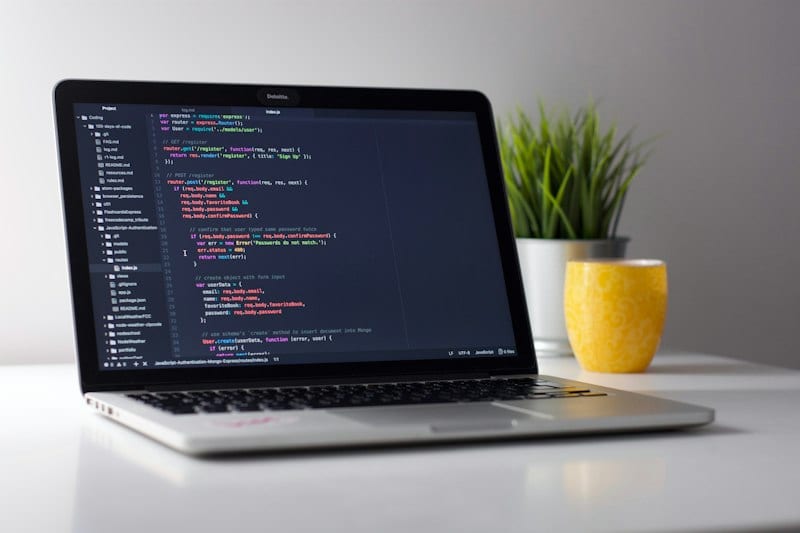
- Hero Front (Pure White): The main listing image. Clean Background Removal, centered, 85% fill.
- 45-Degree Angle: Shows depth and dimension. Reveals the product's 3D form.
- Detail Close-Up: Texture, material quality, craftsmanship. The "zoom-worthy" shot.
- Scale Reference: The product in context-next to a hand, a common object, or with dimensions overlaid.
- Back/Alternate View: Shows buttons, ports, labels, or construction details.
- Feature Callout: An infographic-style image highlighting 3-4 key features with clean typography.
- Lifestyle/In-Use: The product in its natural environment. The "imagine owning this" trigger.
The 7-Angle Sequence for Apparel
For clothing, footwear, and accessories, the sequence shifts to address the "Fit Gap":
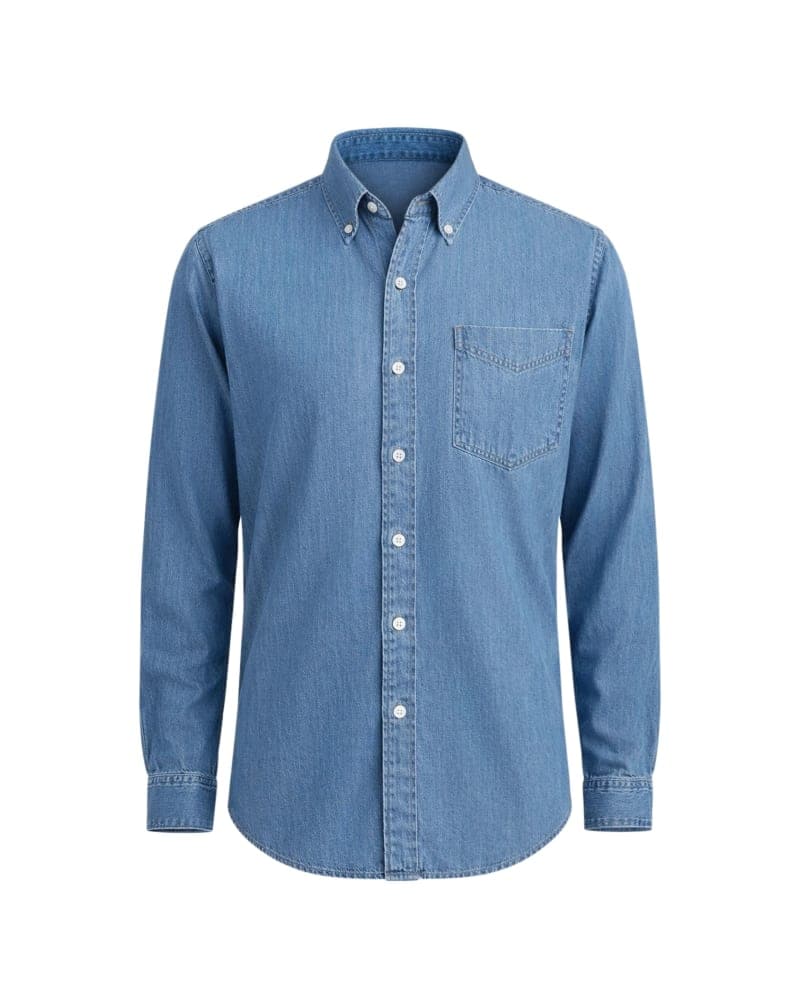
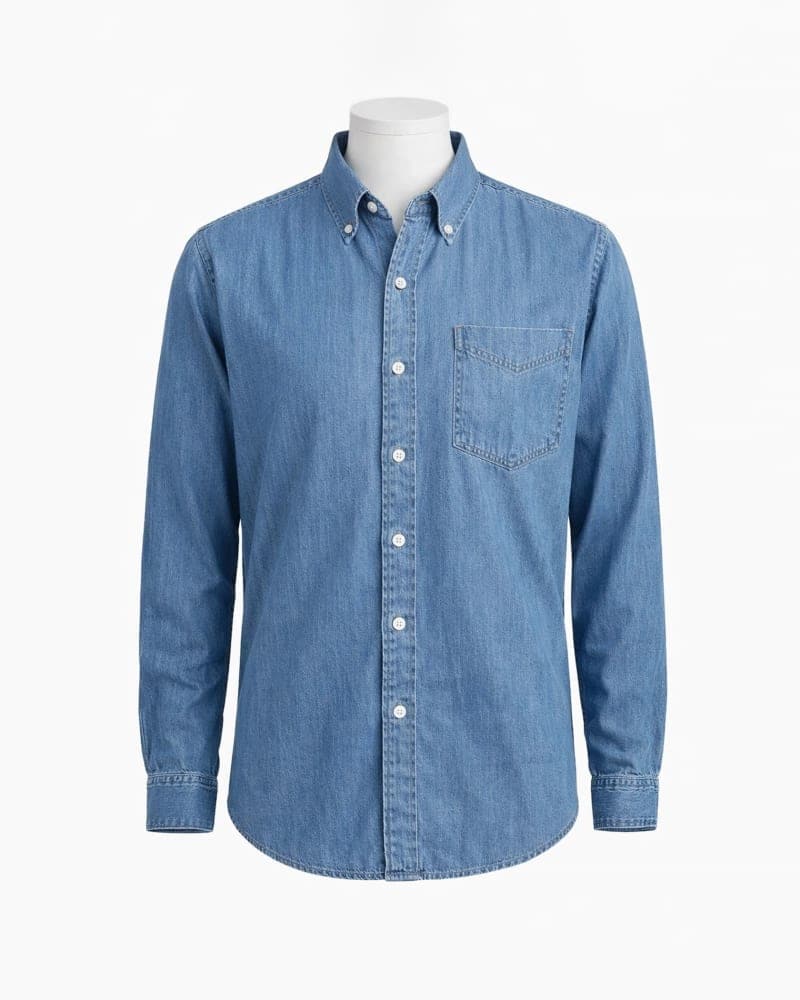
- Front View (Ghost Mannequin): Clean, hollow-body presentation showing the full silhouette.
- Back View (Ghost Mannequin): Construction details, pocket placement, zipper visibility.
- Detail Close-Up: Fabric texture, stitching quality, button/hardware details.
- Interior/Label: The neck joint composite showing internal construction and brand labels.
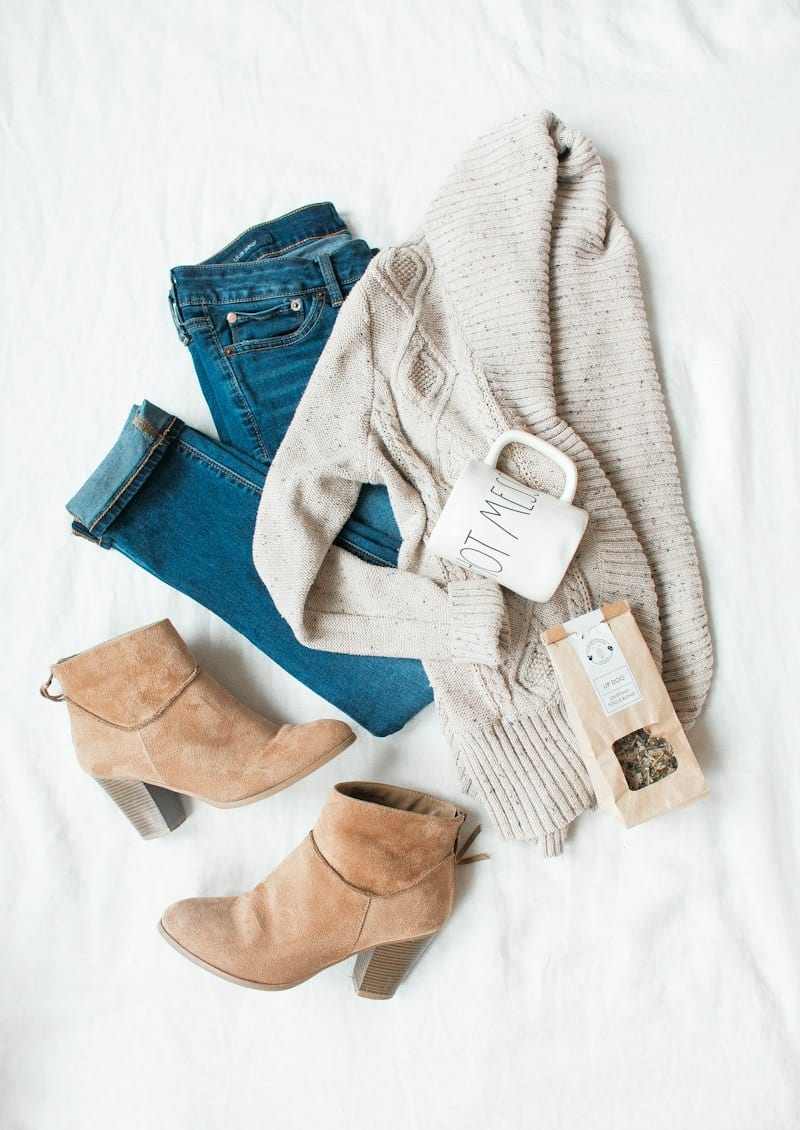
- Flat Lay: An alternate styling that shows the garment's natural drape and proportions.
- On-Model (Optional): Shows fit on a real person. Ideally diverse body representation.
- Color Variants: Side-by-side swatches or alternate Color Change versions.
Why Sequence Matters More Than Quantity
The order of your images follows the customer's Decision Journey:
- Images 1-2: "Is this what I'm looking for?" (Recognition)
- Images 3-4: "Is the quality worth the price?" (Evaluation)
- Images 5-6: "Does it have the features I need?" (Validation)
- Image 7: "Can I see myself using this?" (Projection)
Each image answers a specific psychological question in the purchase decision. Skip one, and you leave a doubt. Add extras, and you create noise that dilutes the narrative.
| Image Position | Psychological Purpose | Key Technique |
|---|---|---|
| 1 (Hero) | Recognition & Trust | Background Removal + Shadow |
| 2 (Angle) | Dimension & Form | Professional lighting |
| 3 (Detail) | Quality Assessment | Macro + Retouching |
| 4 (Scale) | Size Understanding | Contextual compositing |
| 5 (Back) | Completeness | Multi-angle capture |
| 6 (Features) | Feature validation | Infographic design |
| 7 (Lifestyle) | Ownership projection | Lifestyle photography |
The Consistency Tax
The biggest pitfall with 7-image listings isn't the photography-it's inconsistency between the images. When the white balance shifts between shots, or the product scale changes, or the shadow style varies, the customer's brain detects "something is wrong" even if they can't articulate what.
This is where professional Color Correction across the entire set becomes critical. We ensure that the color temperature, exposure, and contrast are mathematically identical across all seven frames. The product should look like the same object in every image-because it is.
For Ghost Mannequin sets specifically, we ensure the garment's alignment, proportions, and shadow behavior are perfectly matched between front, back, and detail views. This creates a "virtual 3D model" experience that builds buyer confidence.
The Mobile Thumbnail Test
Before finalizing your 7-image set, run the Thumbnail Test: view each image at approximately 150x150 pixels (the size they'll appear in mobile search results). If you can't immediately identify the product and understand what the image is showing at that size, it needs to be re-shot or re-cropped.
- The Number: Seven images. Not five, not twelve.
- The Sequence: Follow the customer's decision journey.
- The Consistency: Match color, scale, and style across all frames.
- The Test: If it doesn't read at thumbnail size, it doesn't work.
Every image in your listing should earn its place by answering a specific customer question. Seven questions, seven answers, one conversion.
Get an exact price for your images.
Tell us your volume and the edits you need. We reply with a price, and you can send sample images to make it exact.