White Box vs. Wild: The Data-Driven Case for Mixing Studio and Lifestyle Photography
Studio cutouts drive search clicks while lifestyle photography builds emotional resonance. Discover the optimal mix for your catalog.
IndustryPublished March 16, 20269 min readBy the Reframe Visuals editors

The Great Debate
In every eCommerce strategy meeting, the same question surfaces: Should we invest in studio photography or lifestyle photography? The studio camp argues for clean, professional, marketplace-compliant images. The lifestyle camp argues for emotional, aspirational, story-driven imagery.
Scaling catalog editing without adding full-time payroll overhead?
Partner with Reframe Visuals: elastic capacity processing 2,500+ commercial images daily, two-editor QA, and 12h–72h turnaround. Test our studio with 3 free sample edits — zero credit card required.
The data says they're both right-and both wrong. The answer depends entirely on where the image will live.
The Channel-Context Matrix
Years of A/B testing across hundreds of brands have revealed a clear pattern:
Studio Photography Wins On:
- Amazon and marketplace listings (compliance + clarity)
- Google Shopping feeds (clean backgrounds get higher quality scores)
- Category pages (consistent grid aesthetic)
- Size/fit reference images (no environmental distractions)
Lifestyle Photography Wins On:
- Instagram and Pinterest (aspirational context)
- Homepage hero banners (emotional brand storytelling)
- Email marketing (lifestyle images get 29% higher click-through)
- Facebook/TikTok ads (contextual images get 40% lower CPA)
| Channel | Winning Style | Why |
|---|---|---|
| Amazon | Studio | Compliance + clarity |
| storefront PDP | Studio + Lifestyle mix | Rational + emotional |
| Lifestyle | Aspiration + context | |
| Google Shopping | Studio | Algorithm preference |
| Lifestyle | Higher engagement | |
| TikTok Ads | Lifestyle | Thumb-stop power |
The "Studio Foundation" Strategy
The most cost-effective approach is what we call the "Studio Foundation" Strategy:
- Shoot everything in a controlled studio. Clean lighting, white or grey background, multiple angles, consistent setup.
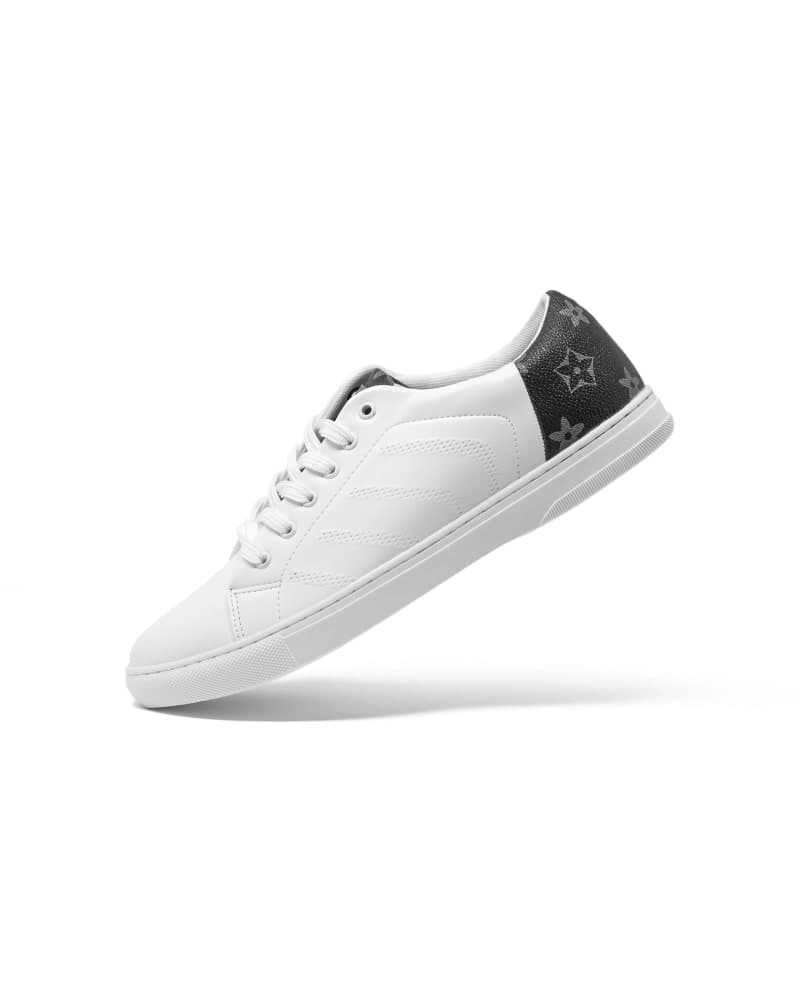
- Use professional Background Removal and Shadow Creation to create marketplace-ready pure-white images.
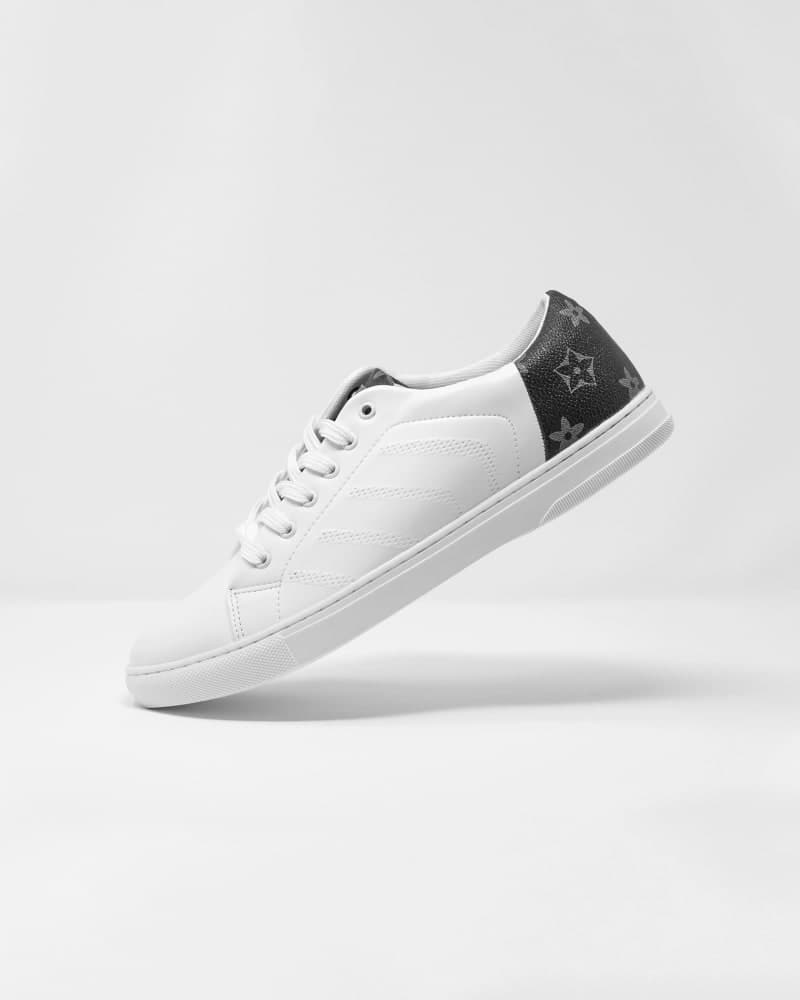
- From the same studio captures, create lifestyle composites by placing the extracted product into aspirational environmental backgrounds.
This approach gives you both studio AND lifestyle assets from a single photoshoot investment. The studio shots serve your marketplaces. The composited lifestyle shots serve your social channels and brand pages.
The Composite Revolution
Modern compositing has reached a level of sophistication where a product shot in a studio can be placed into a lifestyle environment that's virtually indistinguishable from a real on-location shoot.
The key to convincing composites:
- Matching the light direction between the product and the background scene
- Correct Shadow Creation that grounds the product in the new environment
- Atmospheric color matching through professional Color Correction so the product's color temperature matches the scene
- Depth-of-field simulation to make the product sit naturally within the scene's focus plane
A skilled editor can produce a lifestyle composite in 30-45 minutes that would have required a $5,000 on-location shoot to capture authentically.
The Emotional Gap
Here's the deeper psychological insight: studio photography answers the question "What is this product?" Lifestyle photography answers the question "What will my life be like with this product?"
The first question drives rational evaluation. The second drives emotional desire. A conversion-optimized product page needs both:
- Image 1 (Studio): "This is a premium leather weekender bag. Look at the craftsmanship."
- Image 5 (Lifestyle): "Here's that bag in a sunlit airport lounge, ready for your next adventure."
The studio image provides the proof. The lifestyle image provides the dream. Together, they form a complete purchase argument.
When Pure Lifestyle Backfires
There's a cautionary tale here. Some brands, especially in the DTC space, have gone "all lifestyle"-eliminating studio shots entirely in favor of curated, Instagram-ready imagery. The result:
- Higher return rates (customers couldn't accurately assess the product's details)
- Lower Google Shopping performance (algorithmic penalties for non-compliant images)
- Customer service overload (questions about size, color, and features that clear studio shots would have answered)
Lifestyle imagery creates desire. But desire without clarity creates returns.
The Budget Allocation Formula
For brands at different scales, here's our recommended budget split:
- Startup (< 50 SKUs): 80% Studio / 20% Lifestyle
- Growth (50-500 SKUs): 60% Studio / 30% Lifestyle / 10% Video
- Enterprise (500+ SKUs): 50% Studio / 35% Lifestyle / 15% Video
As you scale, the ratio shifts toward lifestyle and video because your studio infrastructure becomes more efficient (batch processing, style guides, automated workflows), freeing budget for higher-impact creative work.
- Marketplaces: Studio first, always.
- Brand Channels: Lifestyle to create desire.
- Smart Strategy: Shoot once in studio, create both from one session.
The question isn't "studio or lifestyle." It's "studio AND lifestyle, deployed strategically."
Get an exact price for your images.
Tell us your volume and the edits you need. We reply with a price, and you can send sample images to make it exact.